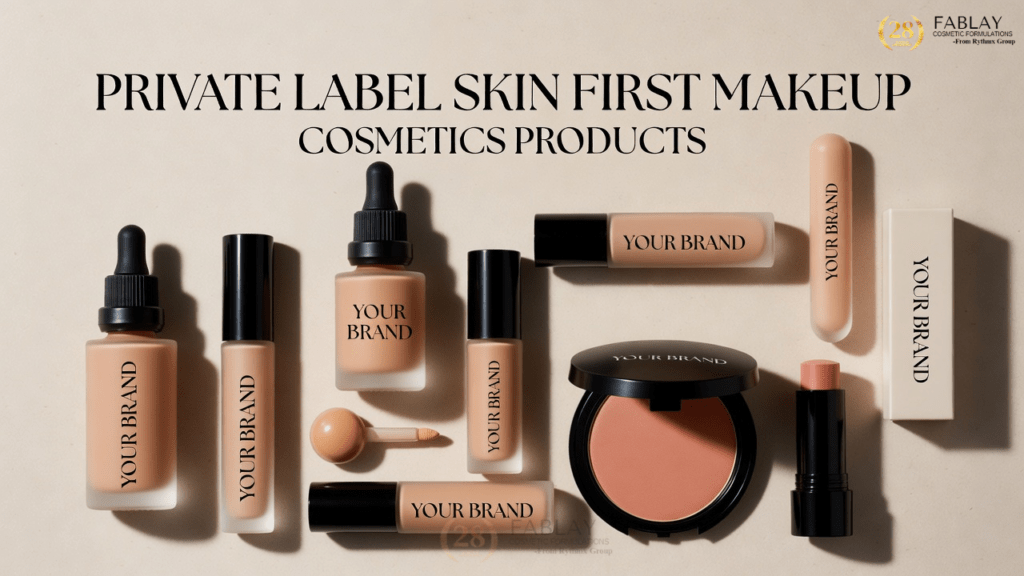
Overview of the Indian Cosmetic Industry
Top Cosmetic Manufacturers in India A Complete Guide. The Indian cosmetic industry has evolved significantly over the past few decades, transitioning from traditional beauty remedies to a thriving hub of modern cosmetic innovation. This transformation is driven by increasing consumer awareness, rising disposable incomes, and a burgeoning young population eager for the latest beauty trends. The industry’s growth trajectory is impressive, with estimates suggesting it will continue to expand at a robust pace in the coming years.
India’s rich cultural heritage in beauty and wellness has always been a cornerstone of its cosmetic industry. Traditional practices, such as Ayurveda, have seamlessly blended with contemporary cosmetic science, offering consumers a unique blend of products that cater to both beauty and wellness needs. This fusion has not only preserved traditional knowledge but also positioned India as a unique player in the global cosmetic market.
Moreover, the influence of globalization and digital media has played a crucial role in the industry’s expansion. Indian consumers are now more exposed to international beauty standards and products, driving demand for high-quality, innovative cosmetics. As a result, both domestic and international brands are investing heavily in the Indian market, recognizing its potential as a key growth driver.
Key Players in the Indian Cosmetic Manufacturing Sector
Several key players dominate the Indian cosmetic manufacturing landscape, each contributing uniquely to the industry’s growth. Established brands such as Hindustan Unilever, Procter & Gamble, and L’Oréal have a significant presence, leveraging their global expertise and extensive distribution networks to capture a substantial market share. These giants have set high standards for quality and innovation, driving the industry forward.
In addition to these multinational corporations, homegrown brands like Lakmé, Lotus Herbals, and Biotique have carved out substantial niches for themselves. Leveraging India’s rich heritage in natural and herbal beauty products, these brands offer consumers a blend of traditional wisdom and modern science. Their commitment to using locally sourced ingredients and sustainable practices has resonated well with environmentally conscious consumers.
The rise of innovative startups has further diversified the market. Brands like Mamaearth, Sugar Cosmetics, and Plum have gained popularity through their focus on clean, cruelty-free, and vegan products. These startups have effectively utilized digital marketing and e-commerce platforms to reach a broader audience, challenging established players and driving competition in the industry.
Types of Cosmetics Manufactured in India
India’s cosmetic manufacturing sector is incredibly diverse, producing a wide range of products that cater to various beauty and personal care needs. One of the most prominent categories is skincare, which includes moisturizers, cleansers, toners, and serums. Indian manufacturers have excelled in creating skincare products that address common concerns like acne, pigmentation, and aging, often incorporating natural ingredients like turmeric, neem, and aloe vera.
Haircare is another significant category, with products ranging from shampoos and conditioners to hair oils and serums. Indian consumers have a long-standing tradition of using natural oils for hair care, and manufacturers have capitalized on this by offering a variety of oil-based products. Additionally, there is a growing trend towards specialized hair treatments that cater to specific issues like dandruff, hair fall, and scalp health.
The makeup segment is also thriving, with products like foundations, lipsticks, eyeliners, and eyeshadows gaining immense popularity. Indian manufacturers have been quick to adapt to global makeup trends, offering a wide range of shades and formulations to suit diverse skin tones. Furthermore, the increasing demand for long-lasting, waterproof, and high-pigment makeup has spurred innovation and quality improvements in this category.
Factors Driving Growth in the Indian Cosmetic Market
Several factors are fueling the rapid growth of the Indian cosmetic market. One of the primary drivers is the rising disposable income among the middle class, enabling consumers to spend more on personal care and beauty products. This increase in purchasing power has led to a surge in demand for premium and luxury cosmetics, which were previously considered niche categories.
The influence of social media and digital marketing cannot be overstated. Platforms like Instagram, YouTube, and TikTok have become powerful tools for beauty brands to reach and engage with consumers. Influencers and beauty bloggers play a significant role in shaping consumer preferences and driving trends, making digital presence crucial for brands looking to succeed in the market.
Urbanization and lifestyle changes have also contributed to the market’s expansion. As more people move to urban areas, there is a growing emphasis on personal grooming and appearance. This shift has led to increased demand for convenient, on-the-go beauty solutions, such as compact skincare products and travel-sized makeup kits. Additionally, the growing awareness about personal hygiene and wellness has driven demand for products like sanitizers and hand creams.
Regulatory Framework for Cosmetic Manufacturing in India
The regulatory framework governing cosmetic manufacturing in India is designed to ensure the safety, quality, and efficacy of products. The primary regulatory body overseeing the industry is the Central Drugs Standard Control Organization (CDSCO), which operates under the Ministry of Health and Family Welfare. The CDSCO is responsible for the approval and monitoring of cosmetic products, ensuring they comply with established standards.
Cosmetic manufacturers in India must adhere to the Drugs and Cosmetics Act, 1940, and the Rules framed thereunder. This legislation outlines the requirements for product registration, labeling, and packaging, as well as the permissible limits for various ingredients. Manufacturers must also obtain necessary licenses and approvals before launching their products in the market.
In recent years, there has been a growing emphasis on aligning Indian regulations with international standards. This alignment aims to facilitate the entry of Indian products into global markets and ensure that domestic consumers have access to high-quality, safe cosmetics. Collaborative efforts between regulatory authorities and industry stakeholders are ongoing to streamline processes and enhance compliance within the sector.
Sustainable Practices in Cosmetic Manufacturing
Sustainability has become a key focus area for cosmetic manufacturers in India, driven by increasing consumer awareness and environmental concerns. Many brands are now prioritizing eco-friendly practices across their supply chains, from sourcing raw materials to packaging and distribution. This shift not only helps reduce the environmental impact but also resonates well with consumers who prefer sustainable products.
One of the most notable sustainable practices in the industry is the use of natural and organic ingredients. Manufacturers are increasingly opting for plant-based, biodegradable, and ethically sourced materials, minimizing the use of harmful chemicals and synthetic additives. This approach not only benefits the environment but also caters to the growing demand for clean and green beauty products.
Packaging is another critical area where sustainability efforts are evident. Brands are exploring innovative packaging solutions, such as biodegradable, recyclable, and refillable containers, to reduce plastic waste. Additionally, many companies are adopting minimalistic packaging designs to minimize resource consumption and carbon footprint. These initiatives are part of a broader commitment to sustainability that is gradually reshaping the Indian cosmetic industry.
Challenges Faced by Cosmetic Manufacturers in India
Despite the promising growth prospects, cosmetic manufacturers in India face several challenges that can hinder their progress. One of the primary issues is the intense competition in the market. With numerous players vying for consumer attention, brands must continuously innovate and differentiate themselves to stay relevant and maintain market share.
Regulatory compliance is another significant challenge. While the regulatory framework aims to ensure product safety and quality, navigating the complex approval processes and adhering to stringent standards can be daunting for manufacturers, especially smaller firms and startups. Delays in obtaining necessary licenses and approvals can also impact product launches and market entry strategies.
Supply chain disruptions and sourcing of high-quality raw materials pose additional challenges. Ensuring a consistent supply of ingredients, particularly for natural and organic products, can be difficult due to factors like seasonal variations and environmental conditions. Moreover, maintaining quality control throughout the supply chain is crucial to meet regulatory requirements and consumer expectations.
Innovations and Trends in the Indian Cosmetic Industry
Innovation is a driving force behind the Indian cosmetic industry’s growth, with brands constantly exploring new formulations, technologies, and product categories. One of the most significant trends is the rise of personalized beauty solutions. Leveraging data analytics and AI, companies are creating customized skincare and makeup products tailored to individual needs and preferences, enhancing the consumer experience.
The increasing popularity of clean beauty is another noteworthy trend. Consumers are becoming more conscious of the ingredients in their cosmetics, leading to a surge in demand for products free from harmful chemicals and synthetic additives. Brands are responding by formulating clean, cruelty-free, and vegan products that align with these preferences, often featuring transparent ingredient lists and ethical sourcing practices.
Tech-driven beauty solutions are also gaining traction. Augmented reality (AR) and virtual try-on tools are revolutionizing the way consumers shop for cosmetics, allowing them to experiment with different looks and products virtually before making a purchase. Additionally, advancements in skincare technology, such as nanotechnology and probiotics, are paving the way for more effective and innovative products that deliver tangible results.
How to Choose the Right Cosmetic Manufacturer
Selecting the right cosmetic manufacturer is a critical decision for any brand, as it directly impacts product quality, brand reputation, and market success. One of the first steps in this process is to evaluate the manufacturer’s expertise and experience in the industry. A well-established manufacturer with a proven track record is more likely to deliver high-quality products and navigate regulatory requirements efficiently.
Quality assurance is another essential factor to consider. Ensure that the manufacturer follows stringent quality control measures and adheres to industry standards and regulations. This includes checking for certifications such as ISO, GMP, and FDA compliance, which indicate the manufacturer’s commitment to maintaining high-quality production standards.
It’s also crucial to assess the manufacturer’s capabilities in terms of innovation and sustainability. Partnering with a manufacturer that prioritizes research and development can provide a competitive edge by offering access to the latest formulations and technologies. Additionally, a commitment to sustainable practices, such as using eco-friendly ingredients and packaging, can enhance brand value and appeal to environmentally conscious consumers.
Conclusion and Future Outlook for the Industry
The Indian cosmetic industry is on a promising trajectory, driven by a combination of cultural heritage, consumer awareness, and market innovation. As the demand for high-quality, diverse, and sustainable beauty products continues to grow, manufacturers must navigate challenges and seize opportunities to stay competitive. The industry’s future lies in its ability to adapt to evolving consumer preferences, embrace technological advancements, and maintain a commitment to quality and sustainability.
Looking ahead, the Indian cosmetic market is poised for significant growth, with both domestic and international players investing in the region. The rise of e-commerce and digital marketing will further expand market reach, enabling brands to connect with a broader audience. Additionally, the focus on personalized beauty solutions and clean, ethical products will shape the industry’s landscape, catering to the discerning preferences of modern consumers.
In conclusion, the Indian cosmetic industry is a vibrant and dynamic sector with immense potential. By leveraging its unique strengths, embracing innovation, and addressing challenges head-on, the industry is well-positioned to achieve sustained growth and establish itself as a global leader in the beauty and personal care market. As consumers continue to seek products that enhance their beauty and well-being, the future of the Indian cosmetic industry looks brighter than ever.